
Why I Built a Live Map for Wildlife Photographers in the Netherlands
The Netherlands has one of the densest and most active observer networks in Europe. Mammals, birds, amphibians and reptiles are logged every day on waarneming.nl by thousands of people. The data is carefully validated. The problem is the form in which it usually reaches you.
I built Faunaradar because I wanted those records on an interactive and easy to use map: A practical field tool for wildlife photography in the Netherlands.

Sony 70-350mm G OSS Review
A 525 mm-equivalent reach, sharp Sony G lens that weighs only 625 grams and makes it very easy to take your camera along for the day. That is the simplest way to describe the role the Sony 70–350mm G OSS has taken in my kit. While I’ve since moved from APS-C to full frame, now the Sony a7R VI, I still keep it in my kit bag and reach for it often.

Sony a6700 Review for Wildlife Photography
The Sony Alpha a6700 remains one of the most sensible APS-C wildlife cameras available. It delivers a large share of flagship autofocus performance in a light, affordable body. For most serious enthusiasts, and for many professionals as a primary or secondary camera, it continues to make a great deal of sense.
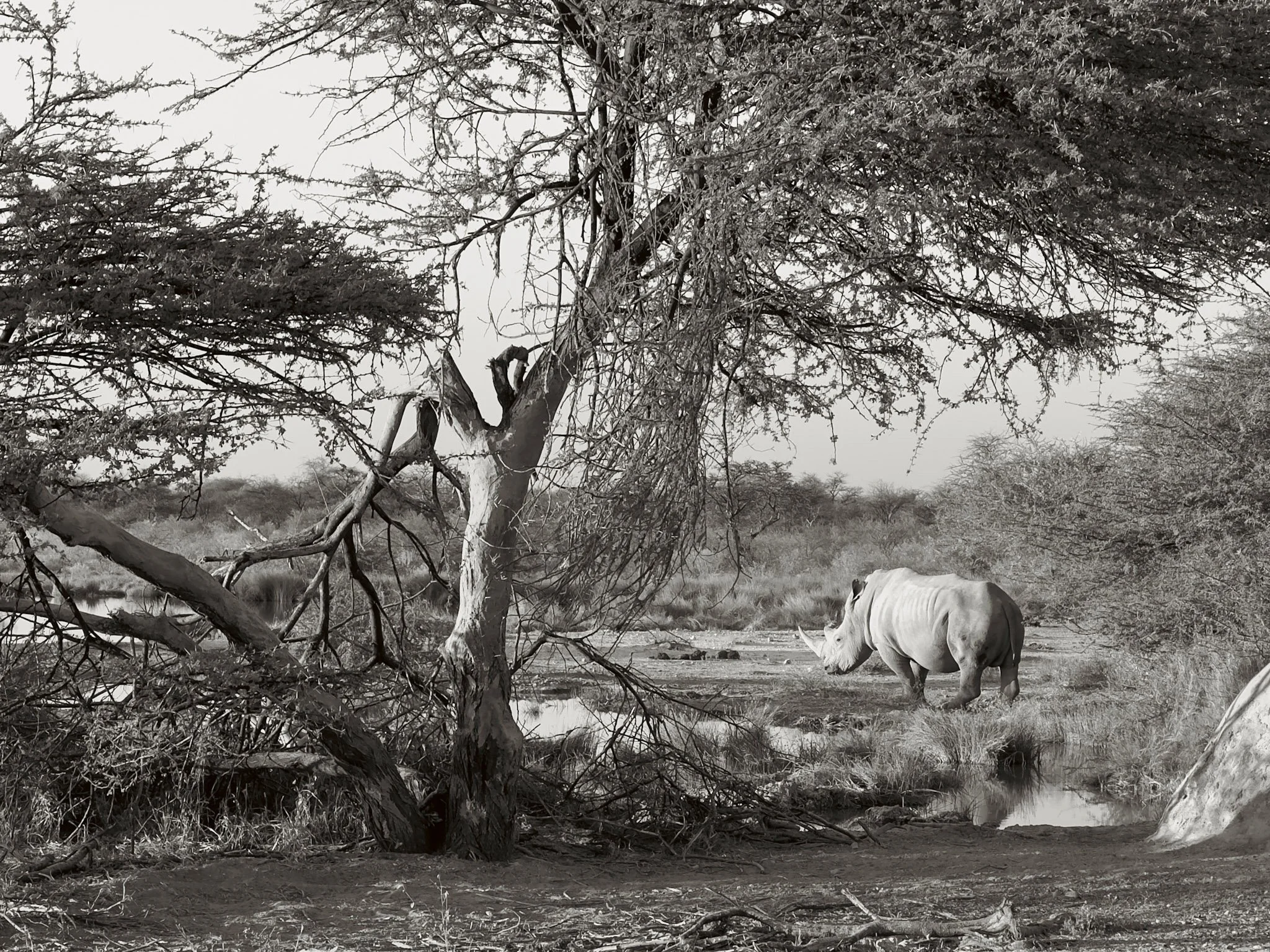
Wildlife Photography with an iPhone
On the road to Etosha National Park, on one of many trips to Namibia, me and my companions were robbed. My camera bodies, lenses and laptop I had brought for the trip were gone.
What I had left was an iPhone 14 Pro Max and a booking I still intended to keep.
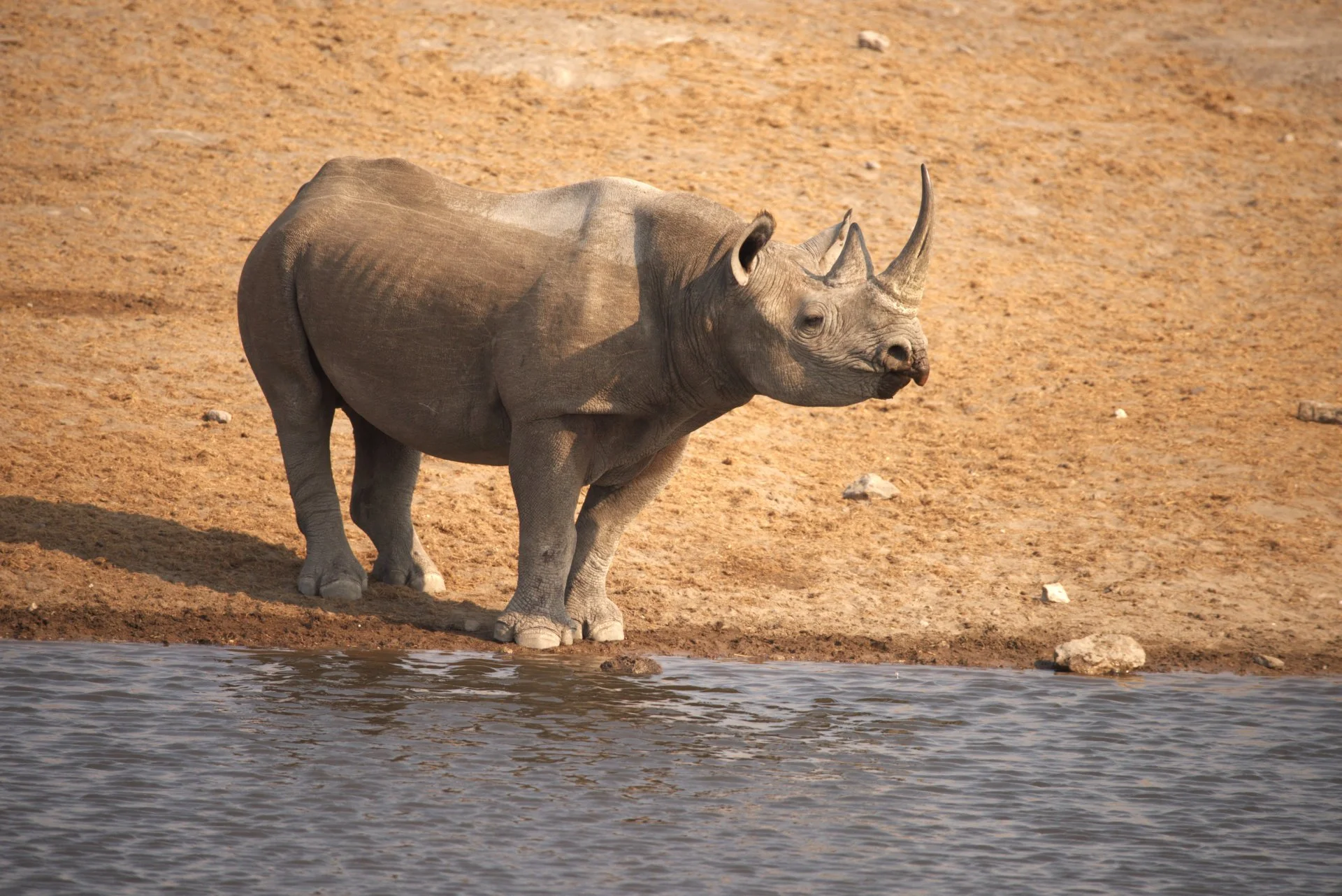
Exploring Namibia: Etosha National Park
The following article about Etosha National Park was featured on Photographylife.com. As it has now been archived, and I feel it still does a decent showing of communicating the vibe and atmosphere of this truly unique and mesmerising place , I have decided to share it here.
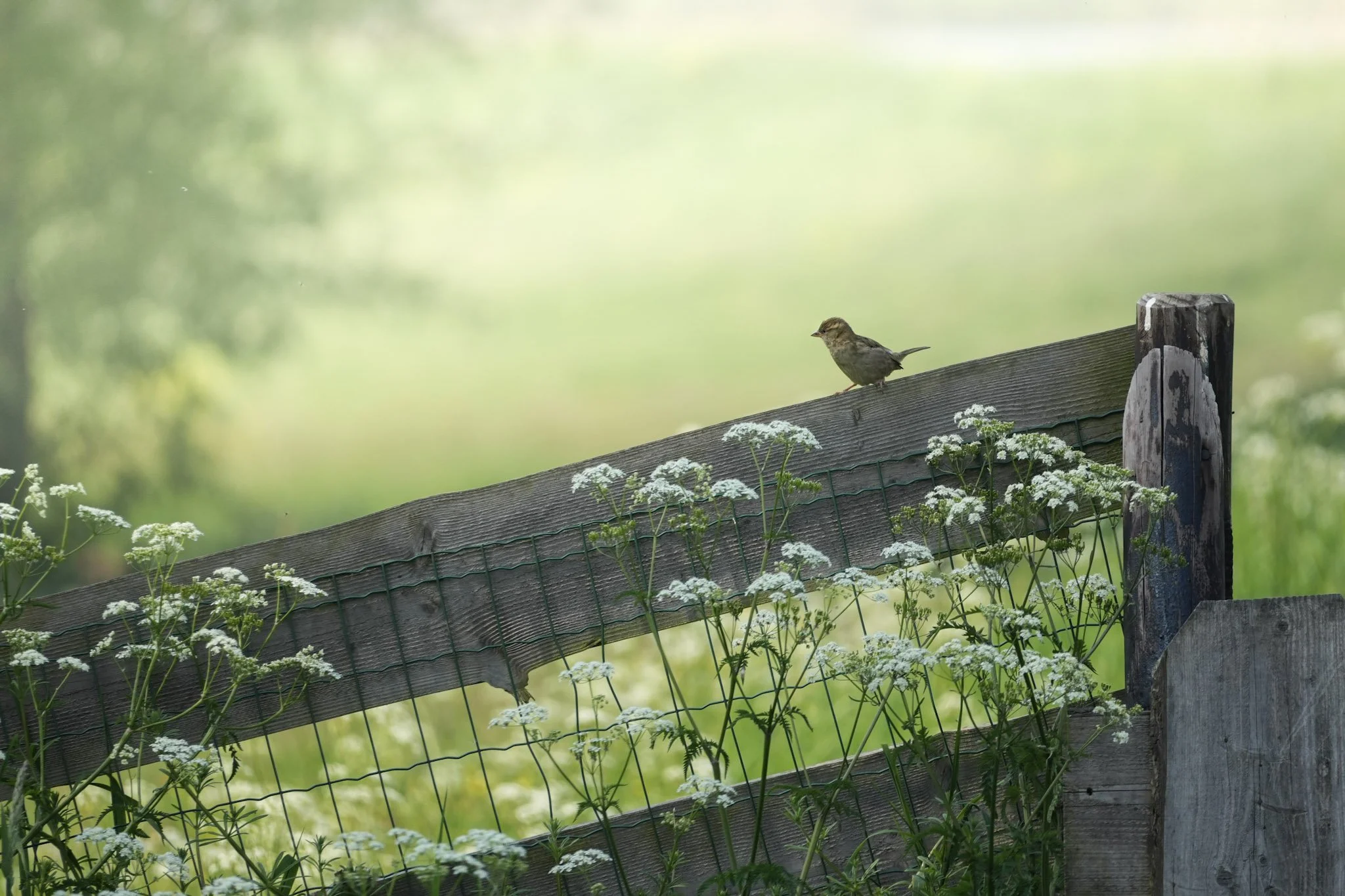
Working with harsh light
Wildlife photograhers usually love light, and often find ourselves wanting more of it. But there is another side to this coin. Harsh, strong light is difficult. It produces deep, hard-edged shadows, reduces colour saturation, and can blow highlights.
But how do you stop treating harsh midday light as an inferior medium, and start working with it’s actual characteristics?
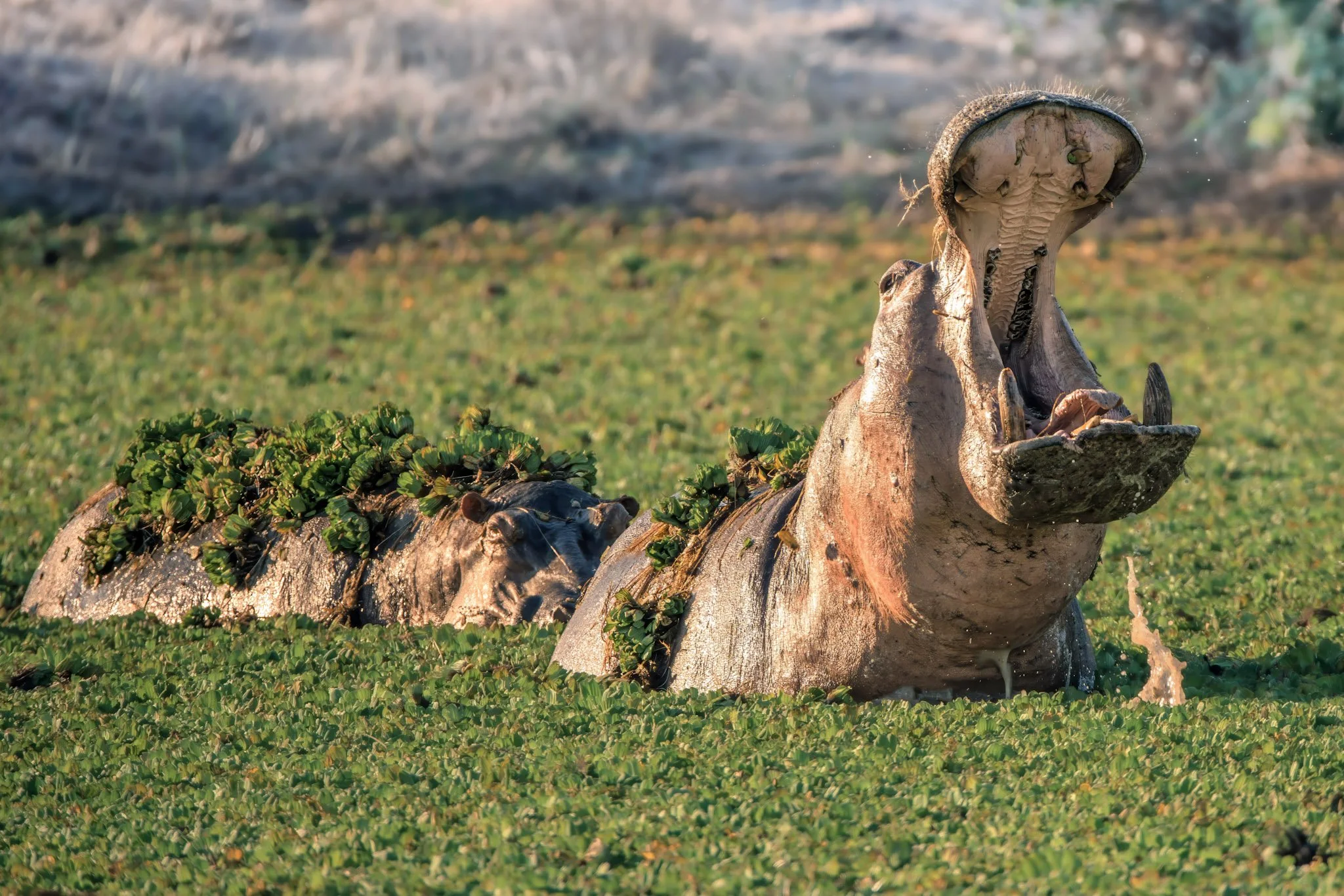
On Wildlife Photography
Plenty of guides promise to teach you how to take better wildlife photographs in a few easy steps. This is not one of them.
What follows are observations that have stayed with me after years of working in the field. They are not rules. They are closer to preferences that have proved as useful as most of the technical advice I once collected so carefully.